Blog

Five Facets of Our Epistemological Crisis
We are facing a crisis of epistemology in today's world. How we know things? How we distinguish between true beliefs and delusions, facts and fiction? What can be trusted? There are many angles we could explore in this crisis of epistemology. Here are just five.
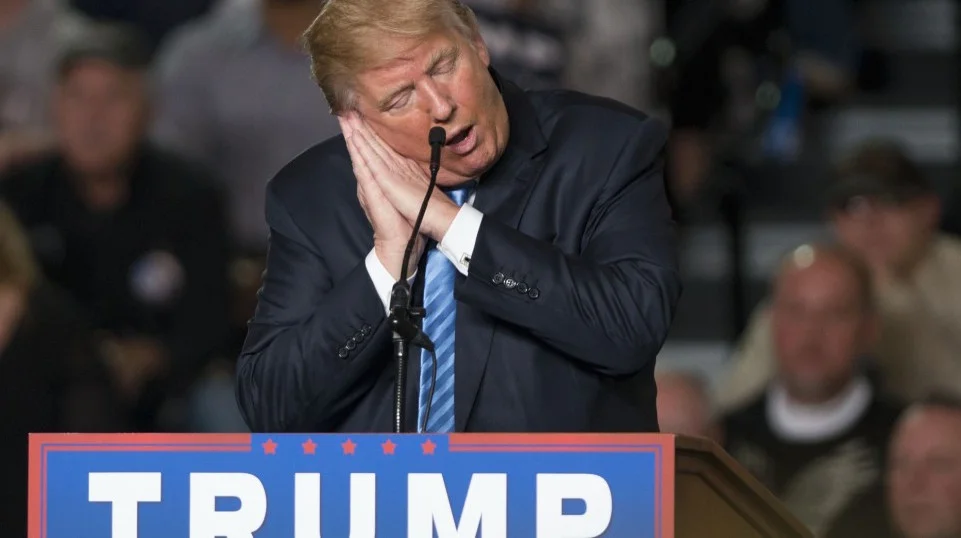
From Tet to Trump: A Media History
I believe in journalism. I'm thankful for its truth-telling, spot-lighting potential (see last year's Oscar-winning film Spotlight, for example). But I sometimes fear for its future. As the media landscape continues to morph, what role can real journalism play? Donald Trump becoming president is certainly huge "news," but it's a headline that signals something foreboding rather than electrifying about the state of the news industry. Here's my attempt to make sense of how we got here. 1960s:
Yes, the Election is a Dumpster Fire. But Vote Anyway.
We're now less than a month away from the 2016 U.S. election on November 8. While the presidential race continues its dumpster fire downward spiral and very few people are excited at the prospect of either Hillary Clinton or Donald Trump occupying the White House, the fact is the election is still happening and it will decide a lot more things than just the presidency. When it comes to our options for president, I'm with Russell Moore when he says: "I’m pro-life, pro-family, pro-racial reconciliation, pro-immigrant and pro-character in office, so no matter what happens in November, I lose."
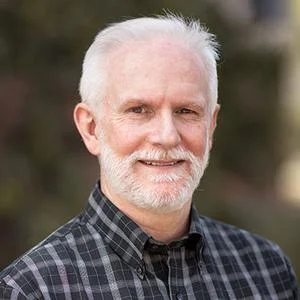
In Memory of Chris Mitchell
Perhaps it is fitting that it was in a London hotel room on July 11 that I first received the news of Chris's passing. I couldn't believe the e-mail I was reading. I couldn't believe that I would never see Chris again. Just a few weeks earlier I had passed Chris on the campus of Biola and we'd made plans to get dinner this summer with our wives, as we'd done once before since he and Julie moved out to California last year. I couldn't believe that, just like that, he was gone.

New York Cares
Perhaps moreso than other cities, New York has that peculiar combination of crowded connectedness and desolate urban isolation. On one hand the city cares and accepts all people and all dreams; on the other, it is an impenetrable, callous machine of industry and ambition. On 9/11 both faces merged as the city in all of its seething terror and magnificence forever changed. Before that day, NYC was the incomprehensible nexus of the world. But after that day, NYC was forced to consider the truth of its mythos: that it is still just a city, vulnerable and imperfect as anything else.