Blog

Peter Leithart's "Church of the Future"
The "Future of Protestantism" event gathered Peter Leithart, Fred Sanders and Carl Trueman together on one stage to debate exactly what the event's title ponders: what form should Protestantism take going forward? Is the "protest" of the Reformation still necessary or should unity as the one body of Christ be the goal as religion in general becomes marginalized in the secularizing west? Leithart's perspective is that Protestantism, insofar as it is defined in opposition to Catholicism (or Eastern Orthodoxy), should end. It's time for unity, he argues; unity is internal to the gospel itself.
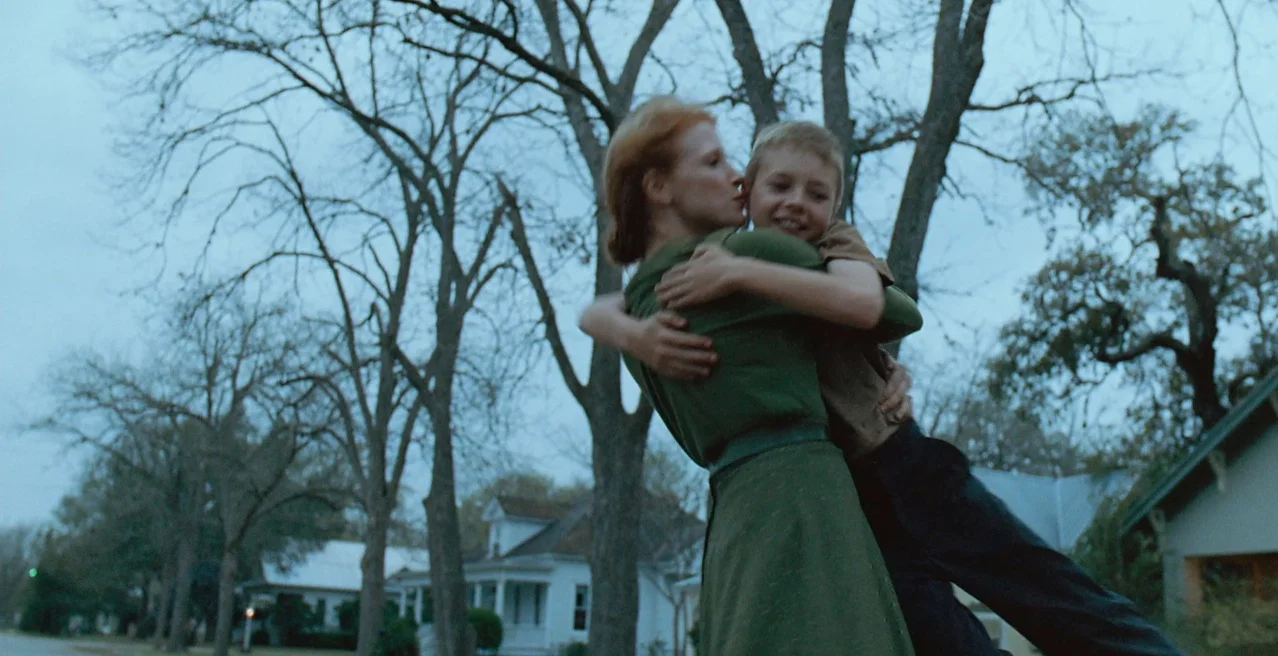
The Roman Road and The Tree of Life
Yes, our individual stories matter, but mostly because they are subplots and microcosms of the BIG story God is telling. Each of our lives can be a reflection of the redemptive story God authors on a massive scale. Each is a compelling chapter in the epic of creation.A movie that I think illustrates this well is Terrence Malick’s Tree of Life.
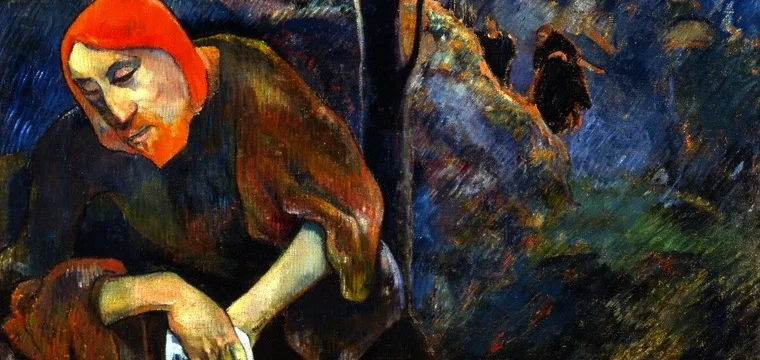
Empty Yourself
If the most fundamental and original sin of mankind is pride, the most fundamental virtue is humility. It's Christ-likeness in microcosm. It's not thinking of ourselves more highly than we ought. It's giving ourselves away for Christ and his gospel, which is also to say giving ourselves away for others.
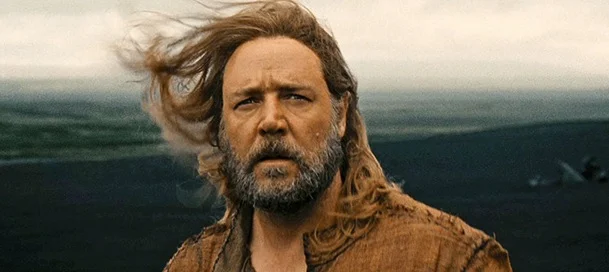
Review: Noah
Does Noah take liberties with the biblical account? Does it embellish and expand upon what’s there in the text? Yes and yes. And it must. The Noah account in the Bible covers four chapters in Genesis for a grand total of about 2,500 words. Everything that happened is surely not recorded. Furthermore, the film’s setting — a mere ten generations removed from Eden — is so unknown to history and so charged with mystery and the miraculous; it’s difficult to tell any sort of story in this context without lots of educated guesses as to what it was like.
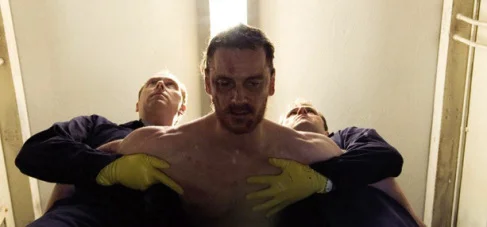
12 Films for Lent
A few years ago I thought it would an interesting challenge to think of films that reflected the heart of the season of Advent. You can see that list of “10 Films for Advent” here. But what about Lent? What makes a film “Lenten”? As I thought about it, I first thought of images: films of desert, spartan landscapes; faces of lament and suffering; gray and drab color palettes. Then I thought of tone: somber, contemplative, quiet, yet with a glimmer of hope or a moment of catharsis. Finally I thought of themes: suffering, isolation, hunger, penance, hope. I came up with the list below (in alphabetical order).

Ego and Influence
How does one truly make an impact on culture without obsessing over building platform, managing one’s personal “brand” and constantly doing and saying things specifically to rile up and expand an audience? How can artists, writers, and other cultural creators who truly care about ideas and art avoid the pitfalls of ego and hubris while also wanting their work to have a wide reach?

The Lent Project
I've been very honored to be a part of the initiatives coming out of the new Biola University Center for Christianity, Culture & the Arts, which launched at Biola back in September.
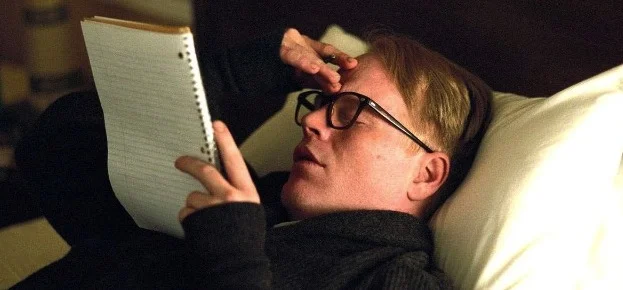
R.I.P. Philip Seymour Hoffman
It's always tragic when a great talent dies young. The death of actor Philip Seymour Hoffman at age 46, however, hits me especially hard. As actors go, Hoffman wasn't just great. He was a genius. He was the type of dynamic, passionate actor who gave it his all in every role, making even small roles utterly huge. His career happened to coincide largely with my own awakening to the beauty of what cinema could be. I first noticed him when I saw Twister in fifth grade. It sounds silly now, but I remember thinking he was the best part of the film.
Our "Authenticity" Confusion
In the article, titled "Has 'Authenticity' Trumped Holiness?" I explore whether evangelicals, by focusing on brokenness as proof of their "realness," have turned authenticity into its own sort of badge-of-honor works righteousness.

My Alternate Oscar Nominations
The Oscar nominations were released this morning, and as usual it was a mix of good, bad and ugly. Mostly it was a predictable list, following way too closely the media hype about certain Oscar bait movies. For me the biggest overall snubs were: No best actor nomination for Robert Redford (All is Lost); no best supporting actress nomination for Scarlett Johansson (Her); no best actress nomination for Julie Delply (Before Midnight); no big nominations for Inside Llewyn Davis.

2013: The Year in Food
Because we've been blessed with some amazing dining-out experiences this year, I thought I'd re-live them through two lists: the top ten savory bites of the year, and the top ten sweets. All of these restaurants I heartily recommend!
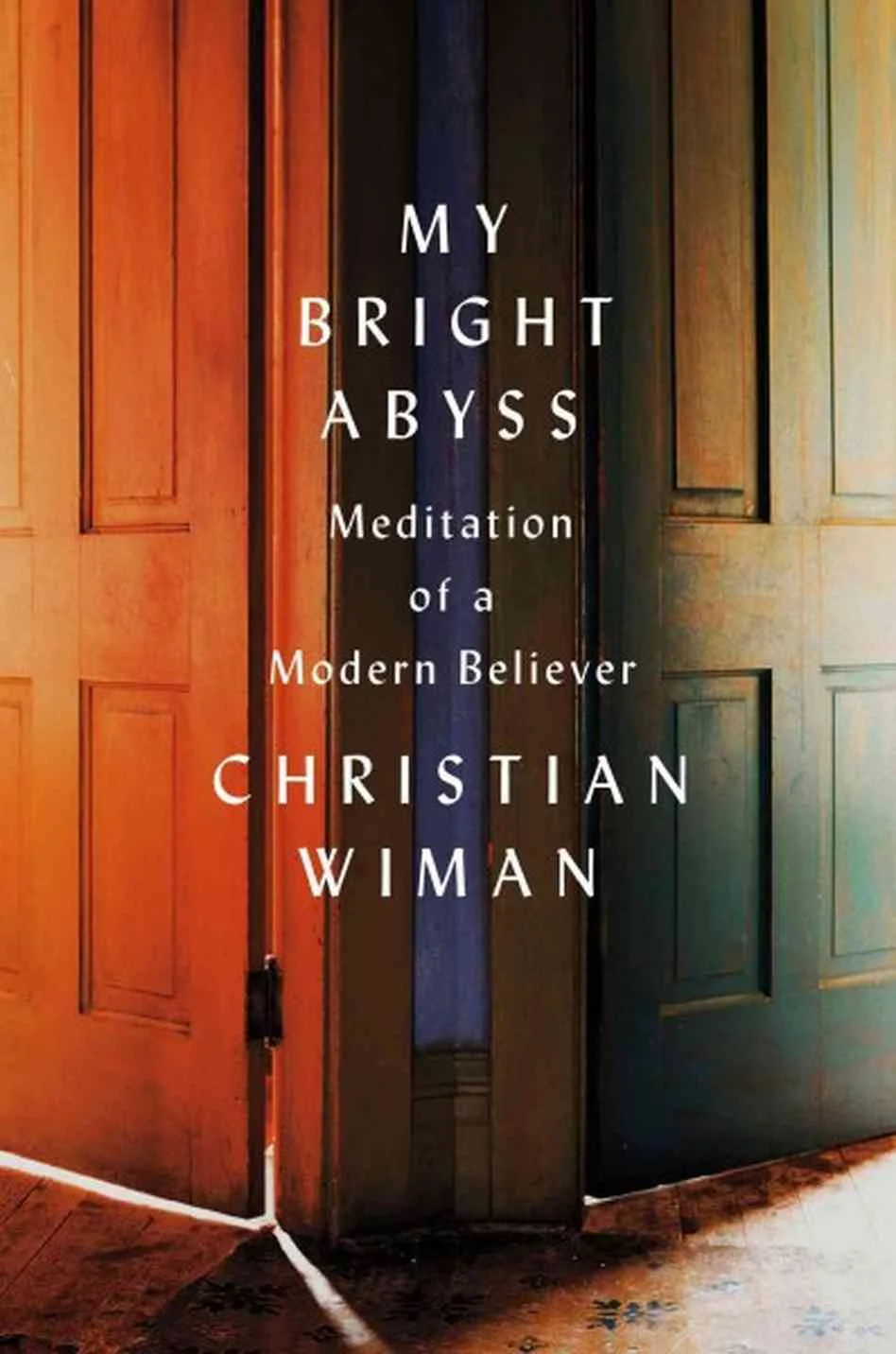
Best Books of 2013
My picks (in alphabetical order) of the ten 2013-released nonfiction books I enjoyed the most.
Best Film Moments of 2013
The following are 15 of the most memorable and compelling moments from the year in cinema, in no particular order

Best Films of 2013
Dislocation. When I consider the films that I loved the most in 2013, this is the word I think of. The theme of dislocation—uprootedness, geographical and emotional lostness, unstable notions of "home"'—was present in various forms in many films this year.

Oh Gracious Light
Advent is a season of light and dark. As much as the media and the prevailing spirit of the season tries to frame Christmastime as an endless array of cheer and merriment, there's no getting around the reality of our dark, treacherous, weary world. But it's better that way. The light shines brighter in the dark. Advent celebrates the moment when true light entered into our dark world. "The people who walked in darkness have seen a great light" (Is. 9:2).

Nebraska
Watching Nebraska, I recognize and identify with Payne’s love/hate relationship with the places he is from. On one hand there is a sort of “I’ve moved on” distaste, which dwells on the provincial smallness and embarrassing insulation of the yokel customs. On the other is a profound affection and nostalgia for its simplicity, slow pace and settledness in rhythms and rootedness.

8 Tips for Watching "Art Films"
For many moviegoers, watching a so-called “art film” can be an arduous task. But it doesn’t have to be. The following (taken from my new book, Gray Matters) are some tips for how to enjoy films that might at first glance seem difficult, esoteric, or painfully slow.

Captain Phillips
The final fifteen minutes of Paul Greengrass's Captain Phillips are among the most intense I have seen in any movie in years (particularly the final scene). Certainly, the whole 134 minutes—though it feels like 90 minutes or less—is intense. But its climax and catharsis are breathtaking. It left me feeling shaken, inspired, grieved, and shell shocked, with a distinct sense of "what just happened?!"

Four Ways Christians Approach Film
For my book Gray Matters I asked Jack Hafer to categorize different approaches Christians have taken to film & filmmaking, and he described three. Below I’ve summarized his three approaches, plus a fourth that I have personally observed.